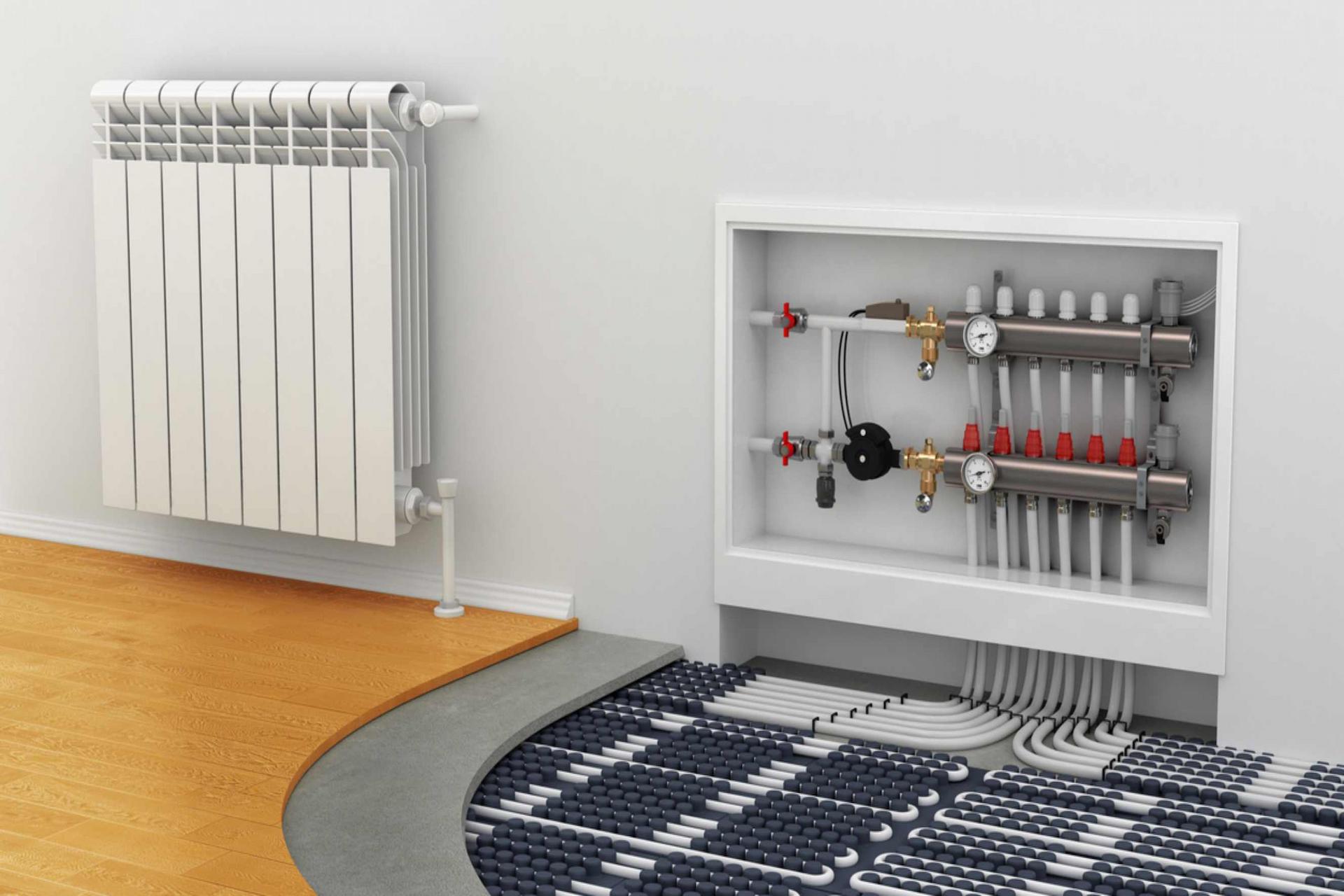
Selecting an appropriate heating system plays a crucial role in determining your home’s comfort levels, energy efficiency, and ongoing expenses. Whether you are upgrading an existing property or starting a new build, the choice often narrows down to two main options: conventional radiators or contemporary underfloor heating.
Homeowners considering reliable manufacturers such as Stelrad frequently balance practicality with modern design. Although both systems offer distinct advantages, it is important to evaluate their differences in performance, installation requirements, and overall costs before making a final decision.
How Radiators Work
Radiators are one of the most familiar heating solutions in UK homes. They operate by circulating hot water from a boiler through metal panels, which then emit heat into the room.
They tend to heat spaces quickly and are easy to control using thermostatic valves. This makes them a reliable option for homes where quick warmth is a priority, particularly during colder months.
Modern designs from manufacturers such as Stelrad have improved both efficiency and aesthetics, offering sleek options that blend well with contemporary interiors.
How Underfloor Heating Works
Underfloor heating distributes warmth evenly across the floor surface, either through electric heating elements or water-based pipe systems. Instead of radiating heat from a single point, it warms the entire room from the ground up.
This creates a more consistent temperature throughout the space, eliminating cold spots and improving overall comfort. It is especially popular in bathrooms, kitchens, and open-plan living areas where uniform heating is desirable.
However, it typically takes longer to heat up compared to radiators, making it better suited for spaces that require steady, prolonged warmth.
Key Advantages of Radiators
Radiators remain a practical and widely used choice for many households. Their benefits include:
- Faster heat-up times, ideal for unpredictable weather
- Lower upfront installation costs
- Easier retrofitting into existing homes
- Simple maintenance and repairs
- Wide range of styles and sizes available
They also allow for zoned heating, meaning you can heat specific rooms without affecting the entire house.
Benefits of Underfloor Heating
Underfloor heating offers a more modern approach to home comfort. Its main advantages include:
- Even heat distribution across the entire room
- Improved energy efficiency at lower temperatures
- Increased floor space with no visible units
- Enhanced comfort, particularly in tiled or stone-floored areas
This system can also contribute to better indoor air quality, as it reduces the circulation of dust compared to traditional radiators.
Comparing Installation and Costs
Cost is often a deciding factor when choosing between these two systems.
Radiators are generally more affordable to install, especially in existing homes. Installation is straightforward, and most properties already have the necessary pipework in place.
Underfloor heating, on the other hand, involves higher upfront costs. Installation can require lifting floors or incorporating the system during construction. While electric systems are easier to install, water-based systems are more efficient over time but require more complex setup.
In terms of running costs, underfloor heating can be more energy-efficient, particularly when paired with modern insulation and smart controls. However, the initial investment is significantly higher.
Which Option Is Better for Your Home?
The right choice depends on your property, lifestyle, and long-term goals.
Radiators are ideal for:
- Older homes or retrofits
- Spaces needing quick heat
- Budget-conscious projects
Underfloor heating suits:
- New builds or major renovations
- Open-plan layouts
- Homes focused on energy efficiency and modern design
Many homeowners also choose a hybrid approach, using underfloor heating in key areas like bathrooms and kitchens while relying on radiators elsewhere.
Conclusion
Both radiators and underfloor heating offer distinct advantages, and neither is universally better than the other. Radiators provide convenience, affordability, and rapid heating, making them a dependable choice for most homes. Underfloor heating, meanwhile, delivers superior comfort and efficiency, particularly in well-insulated spaces.
Ultimately, the best solution depends on how you use your home, your budget, and your long-term priorities. Taking the time to assess your needs will help you invest in a heating system that delivers both comfort and value.