
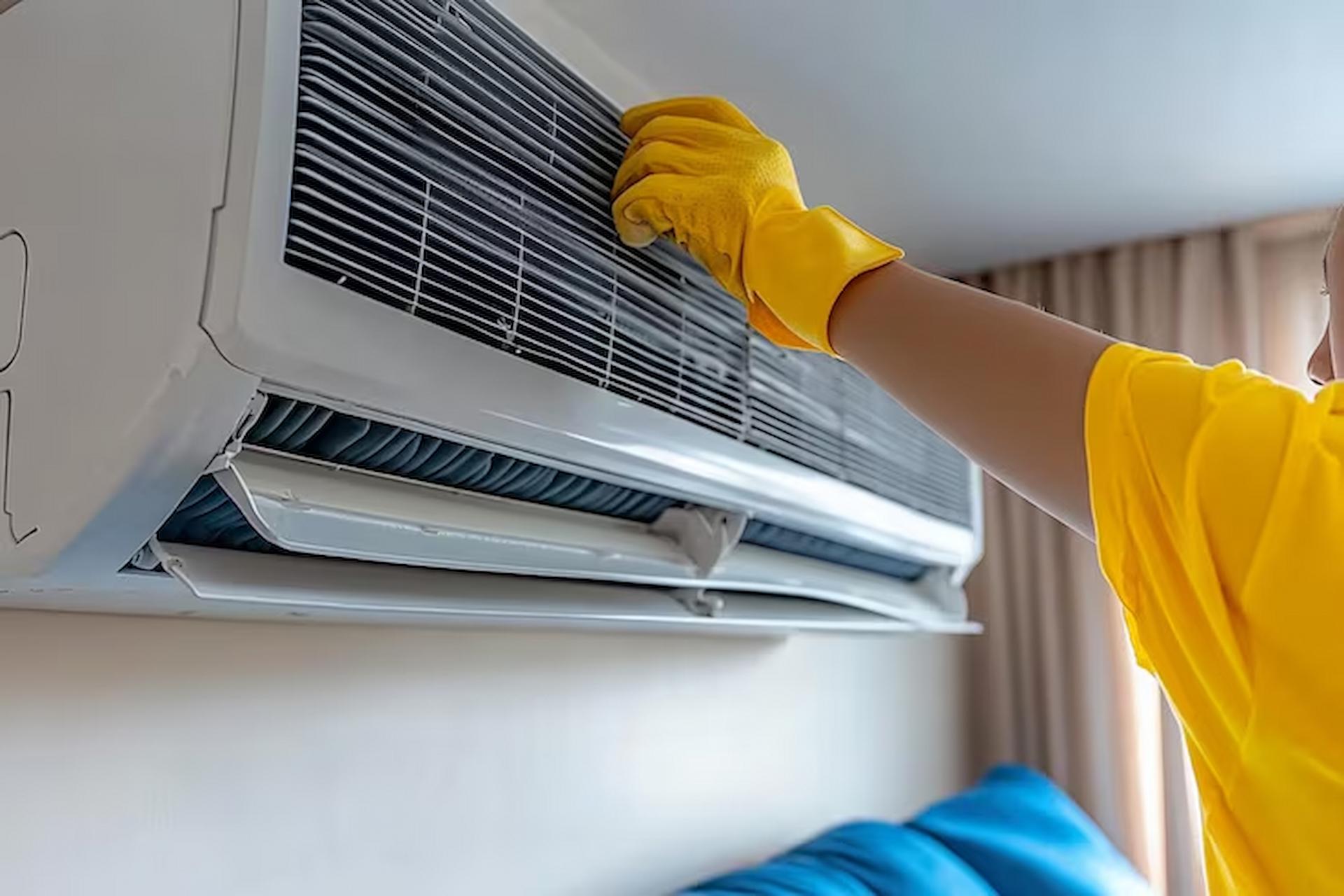
As the last traces of winter frost vanish and the first crocuses begin to bloom, homeowners across the country shift their focus toward spring cleaning. While refreshing your indoor living space is a tradition, the most critical component of your home comfort—the air conditioning system—often remains neglected under a layer of winter debris. After months of dormancy, your AC cannot simply be switched on without a bit of mechanical “waking up.” If you take the time to prepare your AC for Spring, you can avoid the frustration of a system failure on the first humid afternoon of the year. A proactive approach ensures that your cooling system transitions from its winter slumber to peak performance with minimal stress on its internal components.
A well-maintained air conditioner does more than just lower the temperature; it manages indoor humidity, filters out seasonal allergens, and keeps your monthly utility bills predictable. Neglecting this transition can lead to a “slugging” compressor or frozen evaporator coils, both of which are expensive to remediate. By following a structured readiness plan, you can protect your financial investment and ensure your home remains a crisp, cool sanctuary throughout the blooming season.
Clearing the Outdoor Condenser Unit
The outdoor portion of your air conditioning system, known as the condenser, has likely spent the winter collecting fallen leaves, twigs, and perhaps even wind-blown trash. This unit is responsible for releasing the heat collected from inside your home into the exterior air. If the metal fins are clogged or the perimeter is overgrown with weeds, the heat exchange process becomes significantly less efficient.
Start by removing any protective covers you may have used during the winter. Use a soft-bristle brush or a shop vacuum to clear away leaves and cobwebs from the exterior casing. It is also vital to maintain at least two feet of clear space around the entire unit. Trim back any shrubs or decorative grasses that have encroached on the system over the rainy weeks of early spring. This allows for the unobstructed airflow necessary for the refrigerant to cool down before it cycles back into your home.
Inspecting and Straightening Fin Coils
The delicate aluminum fins on the condenser can easily become bent by hail or accidental contact with yard tools. Bent fins block airflow and reduce the system’s ability to shed heat. You can purchase a “fin comb” at most home improvement stores to gently realign these pieces. While you are there, check the coolant lines—the copper pipes leading into the house—to ensure the foam insulation is still intact. Sun-rotted or bird-damaged insulation can lead to energy loss before the cooled air even reaches your vents.
Addressing the Indoor Evaporator and Filtration
Inside the home, the focus shifts to air quality and distribution. The evaporator coil, typically located near your furnace or air handler, is where the actual cooling happens. While this component is shielded, it still requires a seasonal check. More importantly, the transition into spring is the absolute best time to establish a new filtration schedule.
The air filter is the “lungs” of your HVAC system. During the spring, pollen counts skyrocket, and your AC becomes the primary line of defense for your respiratory health. A high-MERV (Minimum Efficiency Reporting Value) filter can capture microscopic spores, but it also creates more resistance. If you haven’t changed your filter since the heating season began, it is likely caked with household dust. Swapping in a fresh, high-quality pleated filter will immediately reduce the load on your blower motor and improve the “smell” of the air in your home.
Assessing the Thermostat and Electrical Connections
Modern cooling systems rely heavily on precise electrical signals. Before you need the air conditioning in earnest, perform a “dry run” of your thermostat. If you have an older model that uses batteries, replace them now to prevent a mid-season shutdown. If you use a smart thermostat, ensure the firmware is updated and that your cooling schedules are programmed for your spring routine.
Check the visible wiring leading to your outdoor unit for any signs of fraying or pest damage. Mice and squirrels often find HVAC wiring covers to be attractive nesting spots during the winter, and a chewed wire can lead to a short circuit the moment you engage the cooling mode. If you see exposed copper or chewed plastic casing, do not turn the system on; instead, call a professional to handle the electrical repair safely.
The Professional Tune-Up Advantage
While a DIY enthusiast can handle basic cleaning and filter changes, some tasks require the specialized gauges and sensors that only an HVAC technician possesses. A professional technician can check the refrigerant charge; if the levels are low, it indicates a leak that needs to be sealed. They can also lubricate the bearings in the blower motor and check the “start capacitor,” which is the component most likely to fail during the first heatwave of the year.
Deciding to prepare your AC for Spring with a professional tune-up often pays for itself through increased energy efficiency. A system that is calibrated and cleaned can operate up to 15% more efficiently than one that is struggling with grime and incorrect pressure levels. This translates directly to lower electricity bills when the humidity begins to rise in May and June.
Essential Spring AC Readiness Checklist
To make the process easier to manage, follow these scannable steps to ensure nothing is overlooked during your spring maintenance routine:
- Change the Air Filter: Start the season with a clean slate to maximize airflow and indoor air quality.
- Clear the Perimeter: Remove all debris, tall grass, and storage items from around the outdoor condenser.
- Check the Drain Line: Pour a cup of vinegar down the condensate drain to kill any algae or mold that grew during the winter.
- Inspect Ductwork: Look for visible gaps or disconnected segments in your attic or crawlspace to prevent cooling the “great outdoors.”
- Clean the Vents: Wipe down supply and return registers to remove winter dust before it gets blown back into the room.
- Test the System: Run the AC for at least 15 minutes on a mild day to ensure it reaches the target temperature without making unusual noises.
Conclusion
Preparing your home for the warmer months is a multifaceted task, but your air conditioning system should always be at the top of the priority list. By cleaning the outdoor unit, replacing filters, and verifying the integrity of your electrical connections, you ensure a seamless transition into the cooling season. Taking the initiative to ready your equipment now means you won’t be stuck on a long waiting list for repairs when the first true heatwave arrives. A little bit of elbow grease and a proactive mindset are all it takes to keep your home comfortable, efficient, and healthy all spring long.